

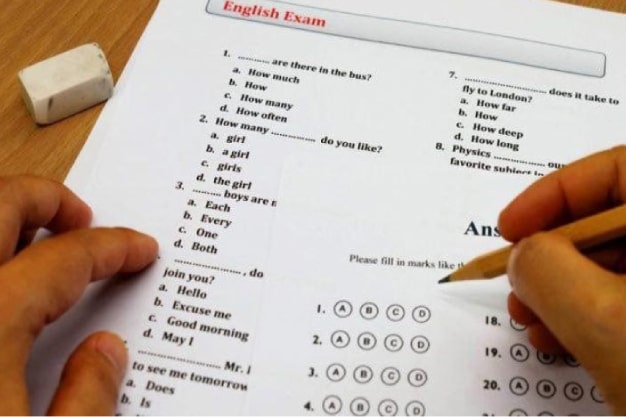
آزمون تعیین سطح زبان انگلیسی: اولین قدم به سوی موفقیت زبانی
آیا میخواهید زبان انگلیسی را بهطور مؤثر و هدفمند یاد بگیرید؟ آزمون تعیین سطح زبان انگلیسی بهترین فرصت برای شروع یادگیری اصولی و متناسب با سطح شماست. با شرکت در این آزمون، میتوانید بهراحتی نقاط قوت و ضعف خود را شناسایی کرده و مسیر یادگیری را بر اساس نیازهای شخصی خود تنظیم کنید.
چرا آزمون تعیین سطح ضروری است؟
آزمون تعیین سطح زبان انگلیسی بهطور جامع مهارتهای اصلی شما را در سه حوزه کلیدی ارزیابی میکند: درک شنیداری، درک مطلب و تواناییهای عمومی زبان.
- بخش Listening (شنیداری)
این بخش مهارت شما در درک مکالمات و گفتگوهای روزمره انگلیسی را میسنجد. شما با گوش دادن به متون واقعی زندگی، تمرکز و توانایی خود در درک مفاهیم را آزمایش میکنید. این آزمون به شما کمک میکند تا در موقعیتهای واقعی، راحتتر و مؤثرتر ارتباط برقرار کنید. - بخش Reading (درک مطلب)
این بخش مهارت شما در درک و تحلیل متون انگلیسی را مورد ارزیابی قرار میدهد. با خواندن متون متنوع، از موضوعات عمومی تا علمی، قادر خواهید بود دقت خود را در تحلیل واژگان و مفاهیم بسنجید و مهارت خواندن خود را تقویت کنید. - بخش General Tests (آزمون عمومی)
در این بخش، به بررسی گرامر، واژگان و ساختار زبان انگلیسی پرداخته میشود تا سطح کلی شما در زبان انگلیسی مشخص شود. این بخش به شما کمک میکند تا مسیر یادگیری خود را با دیدگاه روشنتری انتخاب کنید.
چرا باید در این آزمون شرکت کنید؟
شرکت در آزمون تعیین سطح زبان انگلیسی نهتنها به شما کمک میکند تا سطح واقعی خود را بشناسید، بلکه این امکان را برای شما فراهم میآورد که در دورهای متناسب با سطح و نیازهای خود ثبتنام کنید. این آزمون اولین قدم شما به سوی موفقیت زبانی است و باعث میشود در مسیر یادگیری، با اطمینان بیشتری گام بردارید.
همین حالا سطح خود را بسنجید و قدم اول را برای تسلط به زبان انگلیسی بردارید!
LISTENING
LISTENING 1 سخنرانی
Read items 1-4. You have one minute.
1. They are discussing _______________.
a. going to a concert
b. bedtime
c. clothing styles
d. musical instruments
2. Sergio Mendes is playing at _______________.
a. Maxwell's
b. the Downbeat
c. Symphony Hall
d. Guitar Wolf's
3. The early show is at _______________.
a. 11:30
b. 8:00
c. bedtime
d. 7:00
4. They both want to see _______________.
a. Guitar Wolf
b. a rock concert
c. Sergio Mendes
d. the 11:30 show
Now listen to the conversation.
Listen again and circle the letter of the correct answer for items 1-4.
LISTENING 1 آزمون
LISTENING 1
LISTENING 2 سخنرانی
Read items 5-7. You have one minute.
5. The woman is telling the man about __________________.
a. an earthquake in Romania
b. an earthquake near Chile
c. a lot of deaths and injuries
d. a trip to Romania
6. The man asks the woman about __________________.
a. deaths or injuries
b. Chile
c. the Richter scale
d. record-breaking earthquakes
7. The disaster was __________________.
a. yesterday during the day
b. yesterday during the night
c. today
d. last week
Now listen to the conversation.
Listen again and circle the letter of the correct answer for items 5-7.
LISTENING 2 آزمون
LISTENING 2
LISTENING 3 سخنرانی
Read items 8-10. You have one minute.
8. According to the listening, Gandhi fasted _____________________ .
a. to help India achieve independence from Britain
b. to stop the division of India into two states
c. to stop the fighting between Hindus and Muslims
d. to stop a fanatic who opposed his vision
9. In 1948, Gandhi stopped eating for _____________________ .
a. more than one week
b. less than one week
c. a week
d. 2 days
10. Gandhi's assassin _____________________ .
a. wanted an India where Hindus and
Muslims could live together in peace
b. was against an India for both Muslims and Hindus
c. wanted India's independence from Britain
d. thought Gandhi was a Muslim
Now listen.
Listen again and circle the letter of the correct answer for items 8-10.
LISTENING 3 آزمون
LISTENING 3
Reading
Reading 1 آزمون
Reading 1
Read items 1-5.
1. Seventy percent of communication comes from _________________ .
a. talking
b. gestures of introduction
c. nonverbal actions
d. shaking hands
2. _________________ prefer a firm handshake.
a. North Americans
b. The French
c. Eastern Europeans
d. Brazilians
3. According to the article, _________________ .
a. Eastern Europeans never shake hands
b. Brazilians often hug after shaking hands
c. French people like firm handshakes
d. Japanese people think the OK sign is rude
4. If your friendship "gets off on the wrong foot," it _________________ .
a. ends well
b. begins badly
c. ends badly
d. begins well
5. The author advises that visitors to other countries should _________________ .
a. not learn the local language
b. find out what gestures are appropriate
there
c. avoid gestures and other nonverbal
actions
d. never use the OK sign
Now read the article. Circle the letter of the correct answer for items 1-5.
Body Talk!
To communicate well with people of other countries, you must learn to speak well, right? Yes, but speaking isn't everything. Some experts say only thirty percent of communication comes from talking. Your gestures and other non-verbal actions matter, too. But in different cultures, the same action can have different meanings. When you have to meet someone from a different culture, be prepared. Do you know what kind of gestures and customs are appropriate? Let's look at shaking hands. North Americans like afirm handshake.
But the French prefer a light, short handshake. If you shake a French person's hand the North American way, he or she may not like it. People in Eastern European countries and some Latino cultures prefer shorter handshakes, too. Hugging after shaking hands is also a common introduction there. Don't be surprised if a Brazilian gives you a hug. If you misinterpret gestures of introduction, your friendship may get off on the wrong foot!
Everyone around the world knows the "OK" hand gesture, don't they? But in Spain, parts of South America, and Eastern Europe, the OK sign is considered rude. And if you go shopping in Japan, it means you'd like your change in coins instead of bills. In France, making the OK sign means "zero" or
that something is worthless. So check before you use the OK sign to be sure it's OK! Understanding even a few key gestures from different cultures can make you a better communicator. So next time you travel, try being culturally sensitive. Find out the local gesture and let your body talk.
Reading 2 آزمون
Reading 2
Read items 6-10.
6. Comics are most popular in ____________________ .
a. the U.S.
b. Mexico
c. Japan
d. Italy
7. 6.5 million is the number of ____________________ .
a. comic books sold in Japan each
b. copies of manga sold each year week
c. copies of Shonen Jump sold each week
d. Japanese people who buy manga each week
8. People who criticized comics said they ____________________ .
a. caused bad behavior among young people
b. encouraged teenagers to choose TV and video games instead of reading
c. made people who read them feel guilty
d. weren't a pleasure to read
9. Comics do not ____________________ .
a. get children to think creatively
b. prepare young people to handle computers easily
c. provide a useful way to teach academic subjects
d. encourage teenagers to play video games
10. The Japanese Education Ministry views comics as ____________________ .
a. trash
b. a treasure
c. a guilty pleasure
d. immoral
Now read the article. Circle the letter of thecorrect answer for items 6-10.
In Japan, they call them manga; in Latin America, historietas, in Italy, fumetti; in Brazil, historia em quadrinhos, and in the U.S., comics. But no matter what you call them, comics are a favorite source of reading pleasure in many parts of the world.
In case you're wondering how popular comics are, the best-selling comic title in the U.S. sells about 4.5 million copies a year. All of Mexico's comic titles together sell over 7 million copies a week. But Japan is by far the leading publisher of comics in the world.
Manga account for nearly forty percent of all the books and magazines published in Japan each year. And few magazines of any kind in the world can match this number: Shonen Jump, the leading comic title, has a circulation of 6.5 million copies per week!
Ever since comics first appeared, there have been people who have criticized them. In the 1940s and 50s, many people believed that comics were immoral and that they caused bad behavior among young people. Even today, many question whether young people should read them at all. They argue that reading comics encourages bad reading habits.
But some educators see comics as a way to get teenagers to choose reading instead of television and video games. And because of the art, a number of educators have argued that comics are a great way to get children to think creatively. More recent research has suggested that the combination of visuals and text in comics may be one reason young people handle computers and related software so easily.
In Japan, the Education Ministry calls comics "a part of Japan's national culture, recognized and highly regarded abroad." Comics are increasingly being used for educational purposes, and many publishers there see them as a usefulway of teaching history and other subjects. No matter how you view them, comics remain a guilty pleasure for millions worldwide.
General Test
General Test آزمون
General Test
موارد مرتبط
آزمون تعیین سطح زبان ترکی
نظرات
متوسط امتیازات
جزئیات امتیازات

نقد و بررسیها
هنوز بررسیای ثبت نشده است.